

Big enough to handle any case. Small enough to care.
We offer a free consultation and you don't pay - ever - unless we win.
We specialize in the catastrophic case with life changing injuries.
We have the power, resources, and know how to handle any injury or death case.
No case is too large for us.

Big enough to handle any case. Small enough to care.
We offer a free consultation and you don't pay - ever - unless we win.
We specialize in the catastrophic case with life changing injuries.
We have the power, resources, and know how to handle any injury or death case.
No case is too large for us.
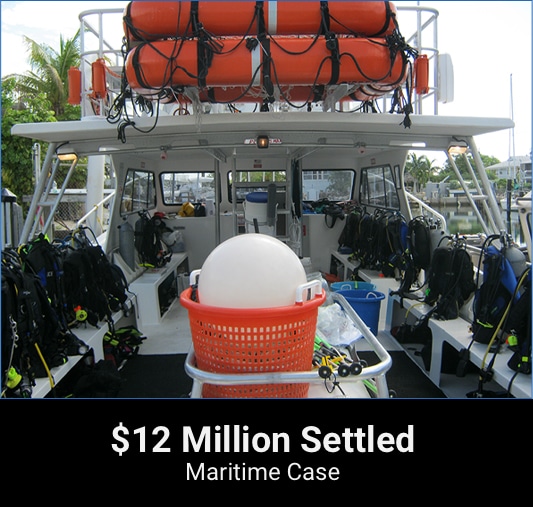
$12 Million
Dive Boat Accident
against dive center in Florida Keys
$8.2 Million
Slip and Fall Accident
$10.5 Million
Ship Accident
$8 Million
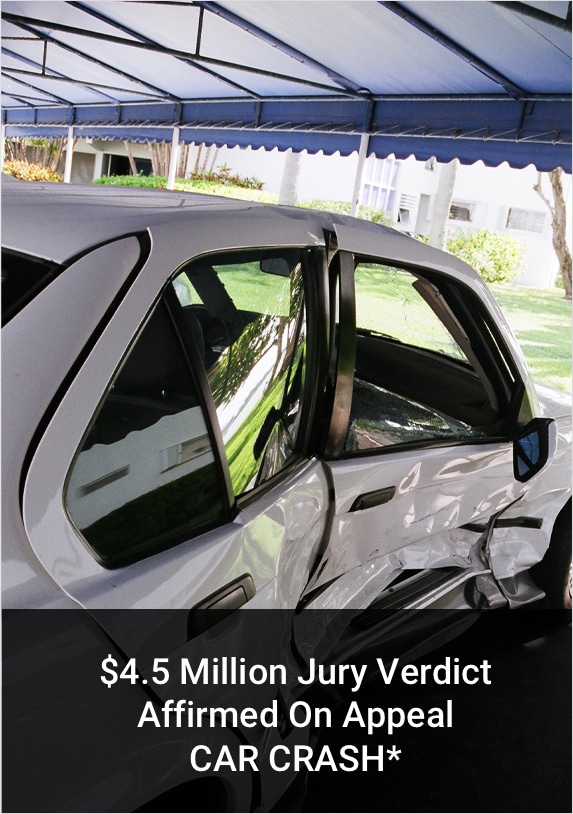
Car Accident
Commercial vehicle causes rollover
$12 Million
Dive Boat Accident
against dive center in Florida Keys
$10.5 Million
Ship Accident
$9 Million
Doe (Passenger) v. Cruise Line
$8.2 Million
Slip and Fall Accident
$8 Million
Car Accident
Commercial vehicle causes rollover
$7.1 Million
Passenger v. Singlescruise.com
$9 Million
Doe (Passenger) v. Cruise Line
$7.1 Million
Passenger v. Singlescruise.com

Best Lawyers Hickey Law Firm

Best Law Firm Hickey Law Firm

Top 100 National Trial Lawyers Hickey Law Firm

AV Rated Hickey Law Firm

Americas Top 100 Hickey Law Firm
The Florida Bar Hickey Law Firm
Personal Injury and Cruise Ship Injury Lawyers in Miami
Handling complex injury claims and maritime claims in Florida and nationwide
When results matter, people choose Hickey Law Firm Accident and Injury Trial Lawyers. Why? Because we have the formula for success: EXPERIENCE. LEADERSHIP. RESULTS. ®
EXPERIENCE. We have over 60 years of combined experience practicing law. We are experts in personal injury and wrongful death. We know the medicine. We know the law. And we know how to win. John H. (Jack) Hickey lectures to and for other lawyers across the country. In the last 20 years, Hickey has lectured over 60 times in 21 cities in 11 states. He has written over 30 papers on trial technique and various areas of the law all related to personal injury and wrongful death.
LEADERSHIP. Our lawyers are leaders. John H. (Jack) Hickey is currently involved in leadership positions throughout the United States. For example, he has been President of the Miami Dade County Bar Association, served on The Florida Bar Board of Governors for 12 years, and currently serves on the Board of Directors for the Florida Justice Association and the Board of Governors of the American Association for Justice.
RESULTS. Based in Miami, our personal injury attorneys have secured over $100 million on behalf of our clients here in Florida and across the country.
Lead attorney John H. (Jack) Hickey has a reputation for taking on major corporations in America and winning big. Those corporations include the cruise lines. The Best Lawyers in America recognizes Hickey in three areas: Personal Injury Litigation – Plaintiffs, Admiralty and Maritime Law, and Medical Malpractice – Plaintiffs.
Every client at Hickey Law Firm has a team. Every client has two lawyers and two paralegals. The team is here for you.
“You deserve an award-winning legal team. Hickey Law Firm is that team. Fighting for you.”
FREE. You pay only if we recover.
EASY. Call Us Or Sign Up Remotely Today.
READY. We Want To Hear What You Have To Say.
Miami Speedboat Adventures Tour Boat Crash
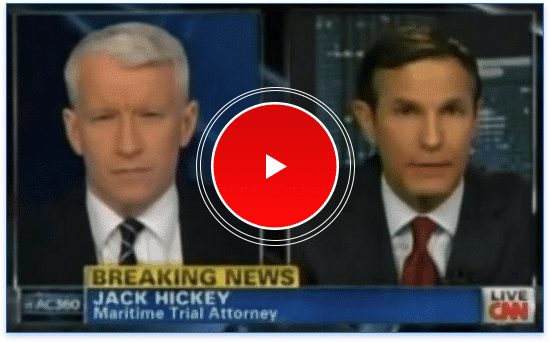
Hickey Law Firm has filed a lawsuit on behalf of a woman who was injured in the boat crash near Port Miami in February. John H. (Jack) Hickey spoke with NBC Miami about the case. We invite you to watch that news interview.
Dept. of Homeland Security Involved in Royal Caribbean’s Symphony of the Sea Investigation
The Dept. of Homeland Security is now involve with the RCCL Symphony of the Seas “Peeping Tom” case. Hickey Law Firm is already speaking with parents. Learn more here.March 2024
Two men have died after a small boat and a yacht collided near Boca Chita Key
The deadly crash between a 51' Azimut yacht and a 17' Key West center console boat is still being investigated. The operator of the Key West vessel and one of the passengers died of their injuries. For more information on boating accidents and legal representation, consult with a maritime law attorney.April 2024
WAS A LAWYER FOR THE CRUISE LINES. NOW A LAWYER FOR YOU ®
Jack Hickey started his career as an attorney for the cruise lines. He spent 17 years representing cruise lines and self-insured corporations. He knows how cruise ships and cruise lines operate.
Hickey Law Firm is known throughout the U.S. and the world for its work on behalf of injured cruise ship passengers and crew.
Jack Hickey is double Board Certified by The Florida Bar in Civil Trial Law and Admiralty & Maritime Law and Board Certified in Civil Trial Law by the National Board of Trial Advocacy (NBTA).
After making the switch from representing the cruise lines and other self-insured corporations, Hickey has represented only honest people with lifechanging injuries.
Hickey Law Firm has represented clients in cases against every major cruise line, including:
Where to file a claim
In order to sue a cruise line, a passenger must file the lawsuit in the city designated by the company, NOT where you are injured or where you live. For many of the major cruise lines, that means filing a claim in Miami, Fort Lauderdale, elsewhere in Florida, California, or Washington State.
It does not matter where you live. Hickey Law Firm can help if you sustained injuries or trauma while on a cruise. We have over 60 years of combined experience in claims for:
When to file a claim
Call the cruise ship injury lawyers of Hickey Law Firm today. Cruise ship passengers only have one year to file suit. (Crew members have whatever time is indicated in the employment agreement. With no employment agreement, crew members have 3 years under the General Maritime Law of the United States).
The Advice You Need.
The Representation You Want.
The Compensation You Deserve. ®
Your Florida lawyers
… for catastrophic maritime personal injury cases
When you get injured on water, the rules are different. Maritime law applies. That is different from state law which most attorneys are familiar with. We specialize in Maritime Law. Most attorneys do not. You need to call a maritime specialist.
We take on the cruise lines and insurance companies for boaters and personal watercraft (jet skis and wave runners) in Florida.
Maritime law applies to injuries on cruise ships, boats, and jet skis. We fight the cruise lines and other major corporations.
Maritime law is specialized. Only a small fraction of lawyers in the United States specialize in Maritime Law. Every lawyer at Hickey Law Firm is a Maritime Law specialist.
Hickey Law Firm handles maritime injuries throughout Florida and the United States. Hickey is Board Certified in two areas: Admiralty & Maritime Law and Civil Trial Law. Board Certification is a rigorous process administered by The Florida Bar. In the process, The Florida Bar verifies by contacting lawyers and judges that the lawyer applicant has extensive experience in the field, is knowledgeable, and is trustworthy. For Civil Trial, The Florida Bar requires a minimum number of trials for every 5 years. For each certification, the lawyer must take and pass an all-day exam. Less than 1% of all lawyers in Florida are Board Certified. Only a handful of lawyers in Florida have two certifications. Hickey has the two most important certifications to handle any serious maritime personal injury or wrongful death claim.
Maritime law applies to:
- Boating accidents including dive boats, fishing boats, charter boats, party boats, speed boats, sailboats, and more
- All personal watercraft accidents, such as those involving Jet Skis, Wave Runners, and all other brands
- Canoeing
- Paddleboarding
- Windsurfing
- Kayaking
- Water skiing accidents
- Parasailing accidents
- Flyboarding
- Swimming
- Snorkeling
- Kite surfing
- Surfing
- Other activities
Injured on the water? Call us. We can help. We are super specialists in this area. And we get results. Ocean. Bay. River. Intercoastal Waterway. Lake. Everglades. We have represented people in multiple states including Florida, California, Washington, and New York. Call us today.
Free unless we win. We represent you on a contingency basis.
You are obligated to pay nothing, zero, zip until and unless we recover.
Did you suffer a personal injury in Miami? We have your back.
Lawyers For People with
Life Changing Injuries.®
When you get injured, the future is uncertain. We are here to help. The Miami personal injury attorneys of Hickey Law Firm fight for you. THE ADVICE YOU NEED. THE REPRESENTATION YOU WANT. THE COMPENSATION YOU DESERVE. ®
Lifechanging injuries with which we have extensive experience include:
- Orthopedic injuries which include broken bones and torn ligaments and tendons
- Back injuries which include injuries to the vertebrae and discs
- Central nervous system injuries
- Traumatic brain injuries
- Spine and spinal cord injuries
- Peripheral nervous system injuries
- Burn injuries
- Child Injury
- Mental and emotional trauma including post-traumatic stress disorder such as what is suffered after rape or other sexual assault
When you need real results, you need us. Hickey Law Firm fights for adults and children alike. We get the best settlements because we get the best results at trial.
We are not for everyone. We are for you,
The Seriously Injured.
Looking for a referral partner? Learn more about our services.
Miami accident attorneys you know and trust
I-95, I-75, I-395, I-195, Route 1, Route 27, Route 41, and Route 441 all run through Miami. So do:
- Gratigny Parkway (SR 924)
- Airport Expressway (SR 112)
- Dolphin Expressway (SR 836)
- Don Shula Expressway (SR 874)
- Snapper Creek Expressway (SR 878)
- The Florida Turnpike (SR 91)
We have some of the busiest roads in the nation. If you are injured in a car, motorcycle, truck, or bus accident, you deserve attorneys who are FIGHTING FOR YOU™. The Miami accident injury lawyers of Hickey Law Firm are those attorneys. We handle complex injury claims from:
- Bus accidents
- Bicycle accidents
- Pedestrian accidents
- Train and MetroRail accidents
Whether you are hurt in a single-car crash or a multi-vehicle pileup, on a state or federal highway, or on a local road, we never stop fighting for your interests. We understand that a car, truck, or motorcycle accident in Miami is likely to lead to significant injuries – injuries that prevent you from working and paying your bills, or leaving you worried about keeping a roof over your children’s heads.
Was a lawyer for the insurance companies.
Now a lawyer for you.
What kind of personal injury claims and lawsuits does
Hickey Law Firm handle in Miami?
Hickey Law Firm handles maritime accidents, motor vehicle accidents, medical malpractice on ships, rape on ships, and the following:
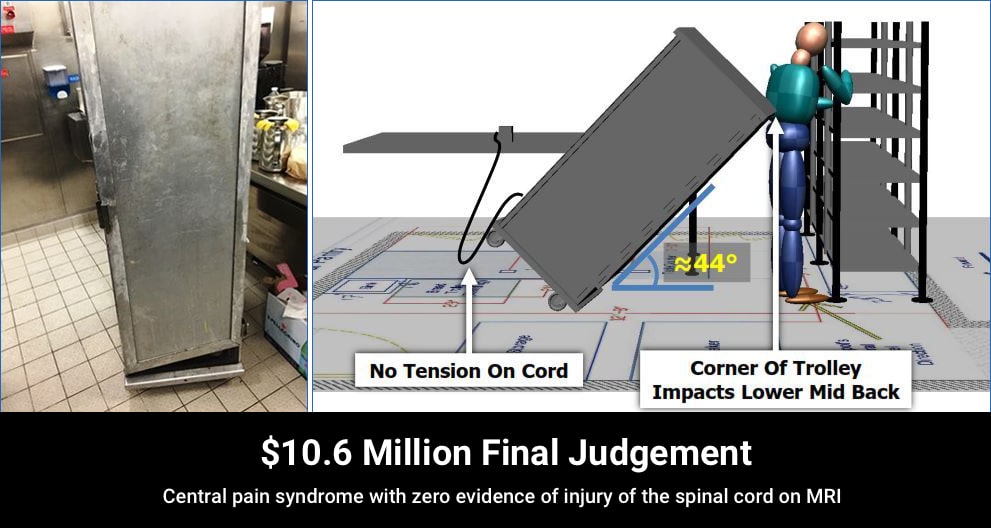
- Premises liability claims from slips and falls, trip and falls, negligent security, construction area and building collapse, and building defect cases.
- Product liability claims arising from defective consumer products, auto and other vehicle defects, and construction defects. Manufacturers should be held accountable when they put profits over your safety.
- Medical malpractice against doctors and hospitals for misdiagnosis, delay in diagnosis, improper treatment, delay in treatment, improper prescription of medication or drugs, improper technique in testing and procedures which result in significant and permanent injuries which a further procedure or treatment will not cure or resolve.
- Nursing home abuse and neglect of the elderly.
- Wrongful death claims on behalf of families and estates where someone’s negligence has caused a person to die. We also file survival actions where the negligence caused significant and permanent injuries, but the person died of unrelated causes.
When the Stakes are High
People Choose Hickey Law Firm. ®

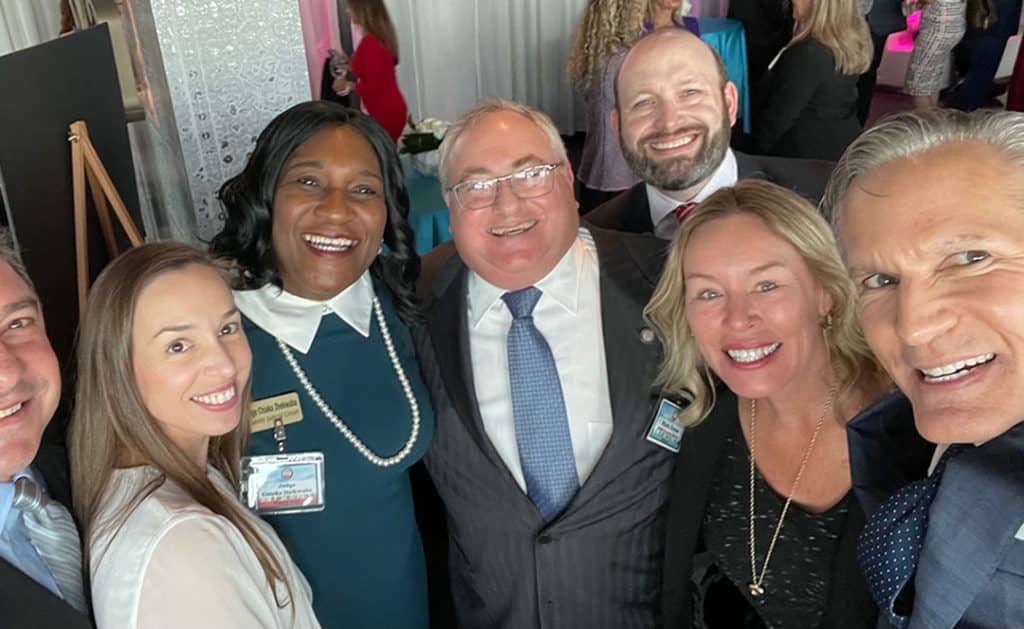
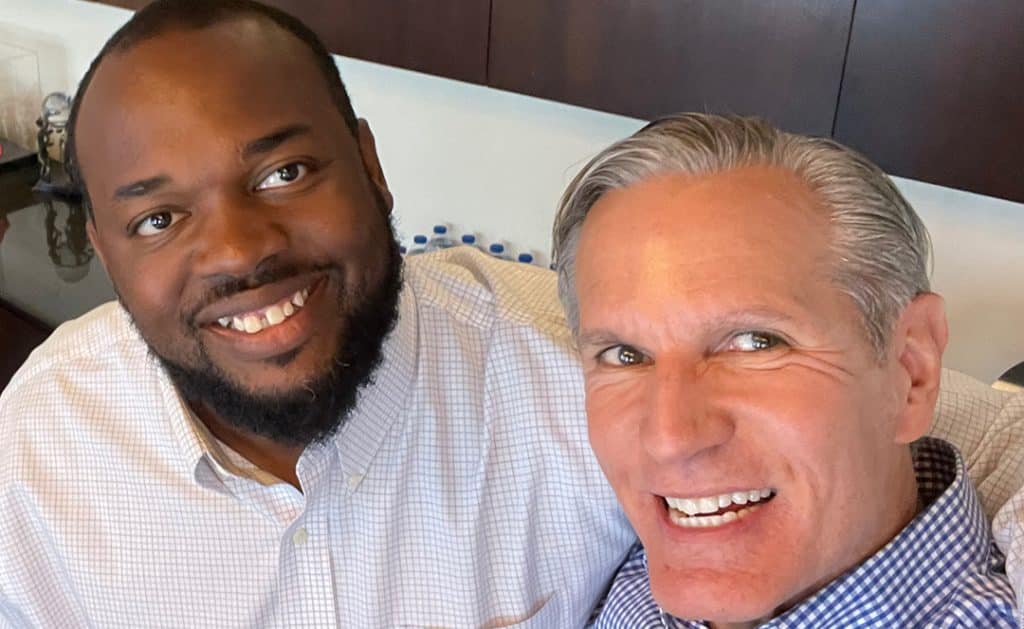
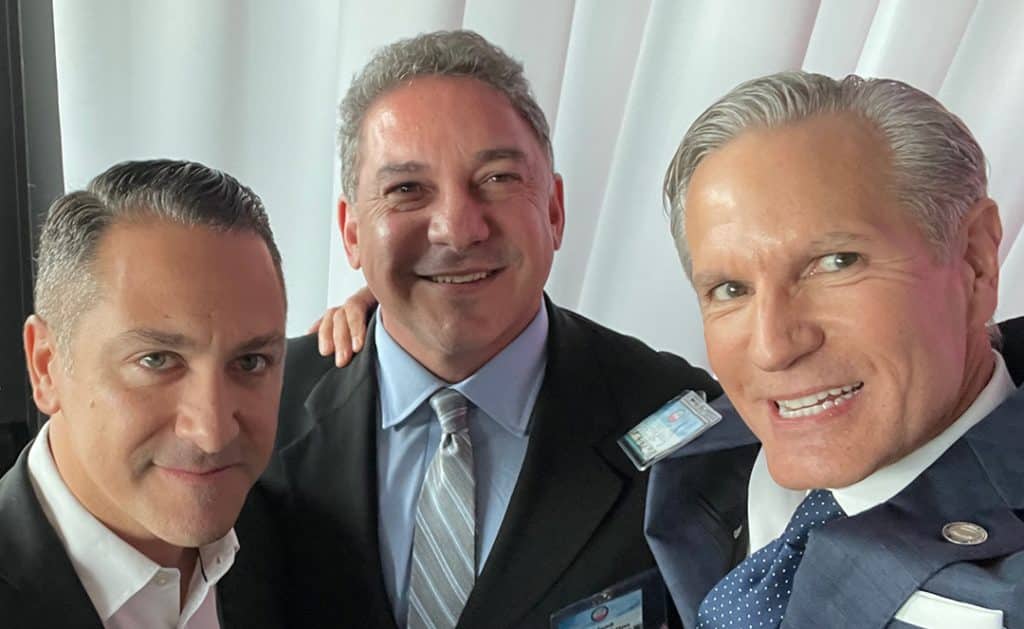
Why Choose Hickey Law Firm?
In the big firms, you are just a number. At Hickey Law Firm, you are one of our team. We are big enough to handle any case in terms of lawyers, staff, and money. And we are small enough to devote attention to you. When people need a specialist in life changing injuries, people choose Hickey Law Firm.
Choosing a law firm is important. We recommend that you look for a firm which is large enough to handle any case but small enough to provide personalized care and advice with uniformly high quality people. That is us. We are the Seal Team 6 of law firms. We did not send in a whole army or navy after Osama Bin Laden. We sent Seal Team 6. Highly specialized. Highly motivated. Highly results driven. That is Hickey Law Firm. No other firm does that.
Look for a firm which assigns a team to you. Here we assign two lawyers and two paralegals to you. One of those lawyers is John H. (Jack) Hickey. No other firm does that.
Look for lawyers who are Board Certified by The Florida Bar and other organizations. John H. “Jack” Hickey is Board Certified by The Florida Bar in two areas: Civil Trial and Admiralty & Maritime. And he is Board Certified as a trial lawyer by a national organization, the National Board of Trial Advocates (NBTA). No other firm has this.
Look for a firm that puts quality over quantity. We don’t have hundreds of lawyers; we have a few. We don’t have thousands of clients; we have a good number. We don’t advertise on TV; we GET interviewed on TV… and in magazines, on radio, in newspapers, and by online media.
We are not for everybody. We are for you, the honest person who was seriously injured.
Experience. Leadership. Results
Call Hickey Law Firm in Miami today
At Hickey Law Firm, we listen, we care, and we are fighting for you. Our mission is to get you as much money as you deserve. When you suffer life-changing injuries, you need a law firm which has EXPERIENCE, LEADERSHIP, RESULTS. ®
Call us today. Schedule a free, no obligation consultation with a Miami, Florida personal injury attorney today. Consultations are always free. When we represent you it is free unless we win. You pay ABSOLUTELY NOTHING until and unless we recover compensation for you. call 305.371.8000 or fill out our contact form. Serving clients throughout Florida and across the country.
Testimonials
"Thank you Hickey Law Firm for taking my case and guiding me through the process every step of the way. I trusted your opinion when it came to settling my case and I would recommend you to my family or friends. I wish you continued success in fighting for people.
~ Charles R.
"It was a pleasure working with Jack Hickey and his team of professional. I recommend them to anyone needing competent legal representation especially with regard to personal injuries on the high seas. I found his team to be careful and diligent to focus on details and documentation, and to follow-up on missing pieces of information. Finally communications with the defendant were compelling, and led to a settlement that was greatly appreciated.
~ Dr. Thomas K
"The best decision I ever made to hire Jack Hickey Law Firm. A special thank you to Sarah Lobel and Jack Hickey. Best Attorneys in Florida for sure. Do not hesitate to hire the best, Hickey Law Firm.
~ Ferdinando S.