
Resin Decks on Cruise Ships Can Be Hot and Dangerous
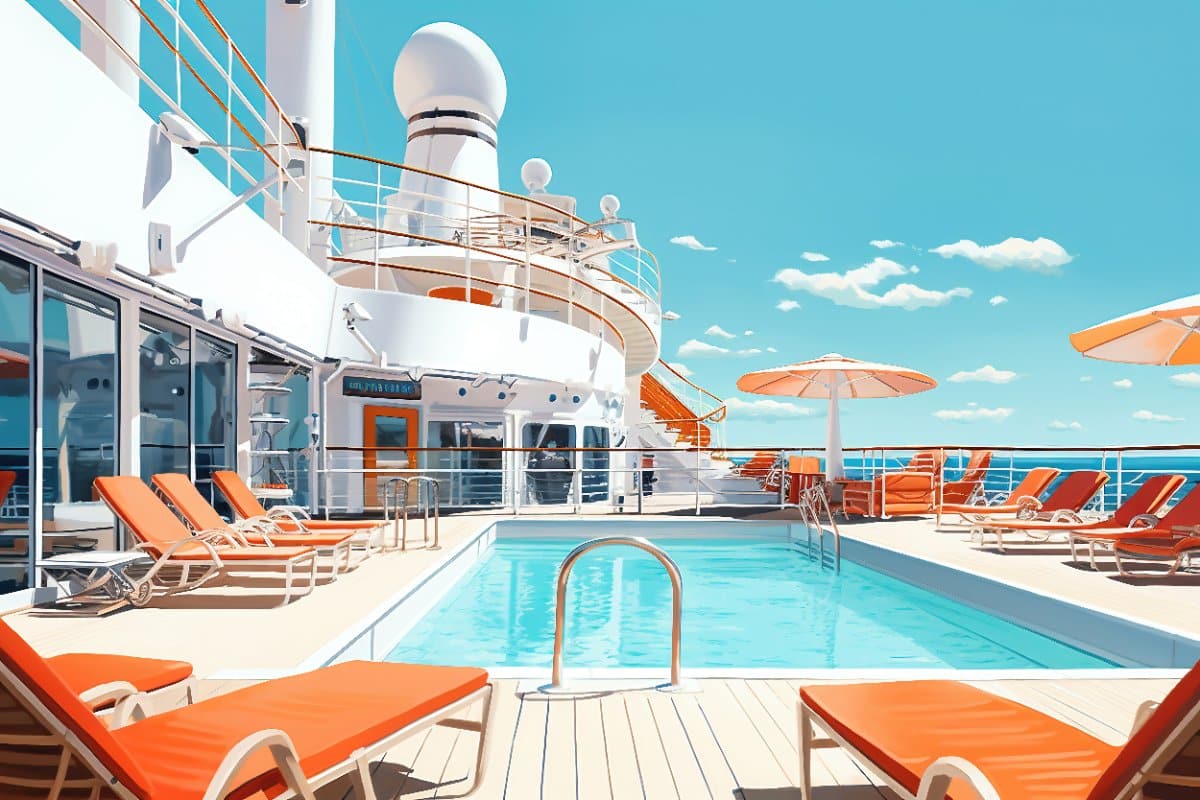
At Hickey Law Firm, we’ve handled cruise ship cases involving these types of deck hazards for years. If you or a loved one suffered injuries on a cruise ship, reach out to us today. We’re prepared to help you review your legal options.
Why cruise ships use resin and synthetic-teak decks
Cruise line companies may opt for synthetic materials like resin because they’re more durable, easier to maintain, and resistant to UV and weather exposure. This type of flooring can also come in various colors and styles, allowing them to select the design they want for each ship. The material is sometimes described as a polyurethane resin flooring product meant for use on exterior marine decks. We’ve witnessed the cruise industry move away from untreated teak and toward these materials over roughly the past two decades.
How hot can synthetic cruise ship decking become?
Open cruise decks sit in direct sun for hours. While the flooring is absorbing heat, passengers are frequently walking barefoot on it while going to or from the pool. The excessively hot flooring is a recognized issue in the industry, which has even led to some manufacturers developing a line of products designed to stay cooler.
Synthetic marine decking can become extremely hot after prolonged exposure to direct sun. The National Institute of Standards and Technology (NIST) states that skin pain can begin around 111°F and increasingly serious burns can occur as skin temperature rises. Second-degree burns are possible once the temperature reaches 131°F. At high temperatures, the issue isn’t just discomfort; it’s the possibility of severe injuries.
Carnival lawsuit indicates the severity of pool deck burns
Jorge Luis Alverio Nunez alleges that he suffered second-degree burns to the soles of his feet after walking about 20 steps barefoot from the pool to his lounge chair aboard the Carnival Magic in May 2025. He filed suit against Carnival in May 2026, alleging that the Lido deck left him with a severe, life-changing injury.
The complaint also points to a longer history of hot-deck reports across Carnival ships. According to court documents, at least 25 other passengers suffered similar burns during the previous six years, and another 42 passengers complained about excessively hot sun decks. In fact, two earlier burn cases cited in the complaint allegedly ended in below-the-knee amputations. Nunez also alleges that API, the maker of the Syntheteak decking, warned Carnival as early as 2014 that the material could become dangerously hot. Although these claims remain allegations in pending litigation, they show that an overheated pool deck can be so much more than an uncomfortable inconvenience for passengers.
Resin decks can also create slip hazards when wet or worn
Heat isn’t the only hazard related to resin decks. Since the material is used on cruise ship decks around pools, hot tubs, and showers, it often becomes wet. While some flooring includes additives to create more traction, even those surfaces can wear over time, creating slip and fall hazards when they aren’t properly maintained. These falls can lead to severe harm for passengers as well.
When can a cruise line be responsible?
Cruise lines can be held liable for certain injuries to passengers. However, these claims are often complex as they fall under federal maritime law and cruise ship ticket contracts. While cruise lines owe passengers reasonable care under the circumstances, bringing a claim may require a specialized legal team that understands the laws, contract terms, and process involved in such claims.
At Hickey Law Firm, we’re maritime law specialists with decades of experience bringing claims against cruise lines for negligence. If you suffered an injury – whether a burn or fall-related harm – we’re here to help. We work to show that the cruise line knew about the hazard or should have known about it through prior incidents, complaints, inspections, or other evidence. We can review the available information to get answers to important questions like whether anyone was burned in the past, whether the temperature was ever tested, and whether the cruise line properly maintained the surface.
What to do after a cruise ship deck burn or fall injury
As with any severe injury, your first concern should be seeking medical treatment. In the case of an injury on a cruise ship, you should also report the incident as soon as possible. You will want a record of the injury and what caused it. Be sure that the cruise personnel create an incident report.
If you or someone with you is able to, photograph the exact location, the deck surface, and warning signs or lack of warnings, and the injury. Speak to any witnesses and document their names and contact information.
Also, remember that cruise claims often are subject to unusually short contractual deadlines. Review your ticket contract and seek maritime legal advice promptly.
Reach out to Hickey Law Firm right away
Resin decking may offer advantages, but those benefits shouldn’t come at the expense of passengers. It’s the cruise line’s responsibility to address foreseeable safety hazards. Passengers who suffer injuries need the assistance of a law firm that knows how cruise line claims work. Hickey Law Firm has handled cruise ship injury cases for years and understands how deck materials, maintenance records, prior incidents, and notice can affect these claims. If you’ve suffered a serious burn or fall injury aboard a cruise ship, reach out to us today. Call or fill out our contact form to schedule a free consultation with a maritime law specialist.

Attorney John H. (Jack) Hickey and his team handle a wide range of cases, including but not limited to cruise ship accidents, admiralty and maritime accident cases, medical malpractice, wrongful death, premises liability, railroad accidents and car accidents. We represent victims from all over the nation, the world and the state of Florida.
Read more about how Jack Hickey can help you.