
Deadly New York Harbor Capsizing Raises Questions About Overcrowding and Boating Safety
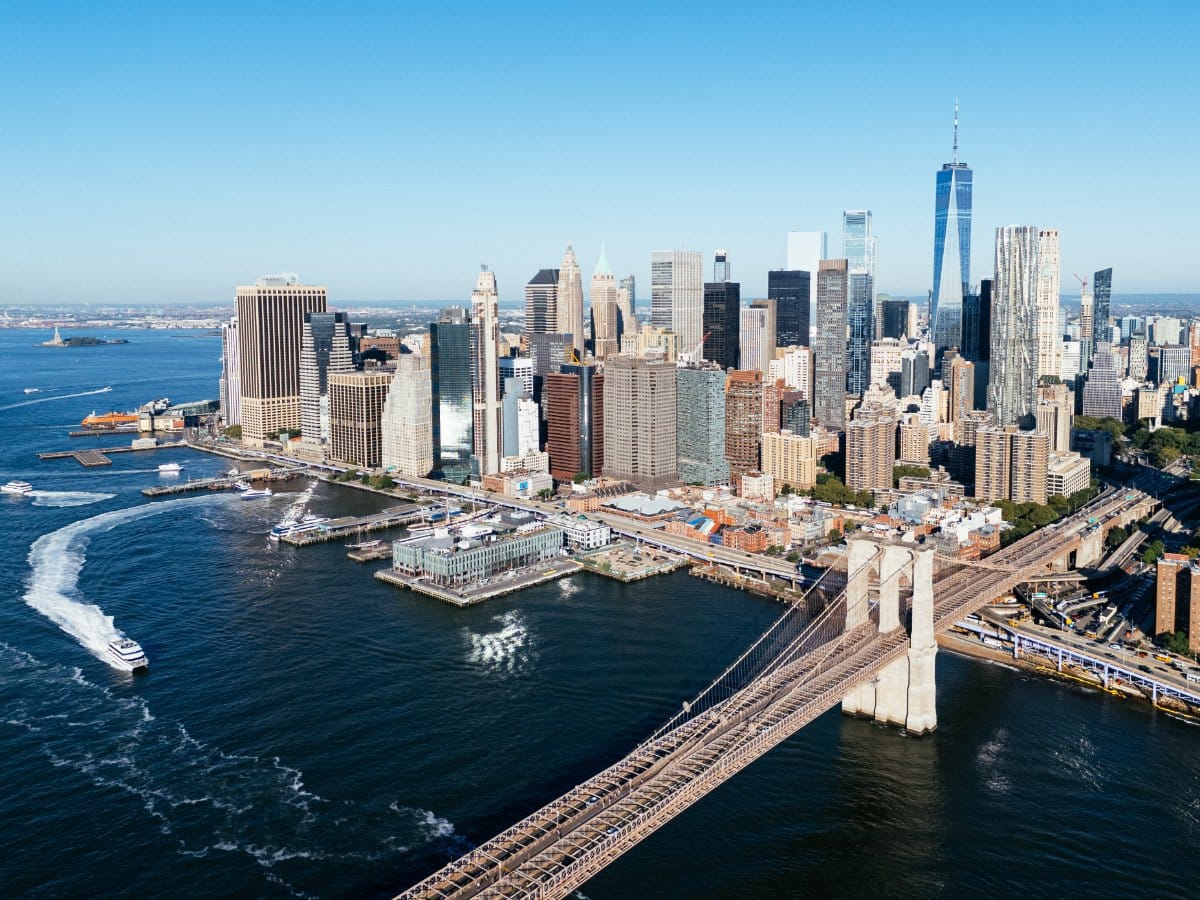
The operator of the boat, Manuel Hernandez, 46, was initially arrested on 13 counts of reckless endangerment. Federal authorities have since charged Hernandez with causing the deaths through misconduct or neglect. Hernandez appeared in Manhattan federal court on Monday and was released on bail. The Coast Guard reported that it was continuing to investigate the case and was looking into whether the captain was operating an illegal charter.
It’s not immediately clear what caused the boat to overturn. However, several factors may have played roles in the incident, including the number of people on board and the nighttime conditions. When tragedies occur at sea, the victims often face complex maritime laws that make their claims more challenging.
Why the presence of fourteen people on a 22-foot boat raises serious safety questions
It’s not yet clear whether the number of passengers exceeded the capacity for the boat’s make and model. Updated reporting identifies the vessel as a Yamaha, not a Bayliner. Authorities are investigating whether the vessel was carrying more passengers than allowed.
Even if the number of people was not in violation of the boat’s standards, the number of individuals onboard and the distribution of them can create hazards. The additional weight reduces the distance between the waterline and the upper edge of the hull. Also, if the passengers are distributed unevenly, this can impact the stability of the boat. Crowding around the operator can also impact their ability to see properly and maneuver in the event of a risk.
A large group can also lead to additional noise and activity around the helm. For operators, who must maintain awareness of other vessels, warnings, and changing conditions, the presence of so many people can make it more difficult to focus. The cause is still being investigated, so we may learn more about what led to the accident.
How boating at night creates another layer of risk
According to several news outlets, the accident was reported at approximately 10:25 p.m. Given the timing, darkness is another potential contributing factor. When boating in busy waters at night, the operator must pay extra attention because it’s more challenging to see other vessels and hazards. Being able to hear well is also critical, and could be impacted by the presence of so many people in a relatively small space.
Speed is an important consideration as well. When it’s more difficult to see, reducing speed becomes an important safety concern. Safe-speed rules specifically instruct operators to consider:
- Visibility
- Traffic density
- Vessel maneuverability
- Background lights at night
- Wind, sea and current
- Nearby navigational hazards
Those rules are meant to promote safe navigation and collision avoidance.
Unfortunately, after a capsize, the darkness can also make it more difficult for emergency responders to perform their rescue operations. People may drift away from the vessel, and spotting them in the darkness becomes much harder. In this case, the response included multiple agencies with boats, divers and an NYPD helicopter.
What did the operator know about safely handling the boat?
Federal prosecutors now allege that Hernandez lacked the required credentials for the alleged charter operation. His boating education, experience, and other credentials may also be examined as the investigation continues. Under New York law, operators of motorized vessels must complete a state-approved safe-boating course, although some limited exceptions may apply, such as for certain Coast Guard credential holders.
The course is meant to instruct operators about nautical rules, safety equipment requirements, and other boating basics. Questions about Hernandez’s credentials, experience operating the relevant vessel type, familiarity with New York Harbor, and other factors will likely come into play as investigators try to unravel what happened and why.
Was this an illegal charter?
The Coast Guard is looking into whether this was an illegal charter operation. Specifically, the Coast Guard describes illegal charters as passenger-for-hire operations that lack proper credentials, safety equipment or required inspection certification. When someone takes payment from passengers to take them on the water, they are subject to safety and licensing requirements that exceed those of a recreational boater.
The credentials of the boat’s operator are just one issue that investigators will look into. Many questions remain unanswered, including: What caused the vessel to overturn? How much weight was on the boat? Was the vessel in good working order? Did the weather or traffic on the water contribute to the incident? And were passengers using personal flotation devices?
Federal prosecutors also now allege that the vessel lacked required child- or infant-sized life jackets. Federal law generally requires children under 13 to wear one while underway on a recreational vessel unless they are below deck or in an enclosed cabin.
Contact the maritime lawyers at Hickey Law Firm
Hickey Law Firm has handled maritime cases all across the United States. We have handled cases in New York state. The lawyers at Hickey Law Firm are maritime specialists and have been associated on New York cases by New York lawyers.
This case is a true tragedy that cost two lives and left a family devastated. Boating cases, especially those subject to maritime law, are complex. Many legal issues arise, and those who want to hold negligent actors accountable must find qualified legal counsel to handle their cases. At Hickey Law Firm, we’re maritime law specialists. If you or a loved one suffered injuries in a maritime accident, contact us today to schedule a free consultation.
Attorney John H. (Jack) Hickey and his team handle a wide range of cases, including but not limited to cruise ship accidents, admiralty and maritime accident cases, medical malpractice, wrongful death, premises liability, railroad accidents and car accidents. We represent victims from all over the nation, the world and the state of Florida.
Read more about how Jack Hickey can help you.