
Amy Lynn Bradley: 28 Years Later, a Cruise Ship Mystery Still Raises Serious Safety Questions
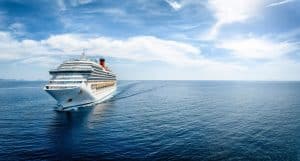
What happened on board the Rhapsody of the Seas
Amy was traveling on the Rhapsody of the Seas and spent the night before her disappearance at an onboard nightclub with her brother. The siblings returned to their shared cabin, and Amy’s father says he last saw her at about 5:30 in the morning, standing on the balcony. By around 6:00 a.m., she was gone. There are no confirmed witnesses to her disappearance, nor is there clear evidence of any foul play. Shortly after she went missing, the ship docked in Curaçao, and no trace of the 23-year-old or of what happened to her was found on board.
Theories and unanswered questions
For years, people have speculated about what might have happened. She could have accidentally fallen overboard. While her family vehemently disputes it, some speculated she could have jumped intentionally. Then, there is the possibility of foul play, such as someone pushing or abducting her. A taxi driver in Curaçao claimed to have seen her after the disappearance, as did some in Barbados. A bartender also stated that he heard someone say, “Señorita kidnapped!”
Sadly, without any objective evidence from videos or sensors, the truth about what happened to Amy that early morning in 1998 may never come to light. This uncertainty is exactly why cruise ships need certain safety features that prevent tragedies while also letting investigators have something to work with if someone does go missing on a cruise ship.
The reality of “man overboard” incidents at sea
A cruise ship is a little like a hotel that’s moving across the open ocean. This is both the appeal and the risk. Falling from multiple decks onto the water can result in an impact similar to hitting concrete. Possible outcomes include immediate death, unconsciousness, and drowning without detection. And critically, if no one sees a person fall, there’s no way a rescue effort could be initiated in time. Unless technology detects such an event, the chances are, it will be too late to save someone, or even know what happened to them.
Technology that could have changed everything in 1998
When Amy and her family set sail on the Rhapsody of the Seas in 1998, the ship didn’t have perimeter cameras or man overboard detection systems. Modern systems can detect a person going overboard in real time so that they alert the crew instantly. This alarm triggers an immediate search-and-rescue response. Security cameras can also show what happened, which is a potential deterrent for foul play.
Contrast this to what happened in the Amy Bradley case, where there is no video evidence of her final moments and no confirmation of how she disappeared. Lacking essential technology means lacking important answers.
The Cruise Vessel Security and Safety Act
The Cruise Vessel Security and Safety Act of 2010 added certain safety regulations for cruise ships. The goal of the act was to improve passenger safety by requiring certain equipment and procedures, such as:
- Surveillance systems
- Rail height standards
- Crime reporting
- Overboard detection technology (where feasible)
Many cruise lines (including Royal Caribbean) began implementing overboard detection technology around 2014. Sadly, these protections did not exist when Amy disappeared. Perhaps if they had, it would have made a difference in her case. The possibility raises questions, like, would cameras have captured her last movements? Could sensors have triggered an immediate search? Would rescue efforts have begun in time to save her? Although they are hypothetical questions, they demonstrate the importance of protecting against these known risk factors. When cruise lines lag in adopting safety tech, it can lead to devastating outcomes.
Cruise lines’ legal responsibilities to passengers
Cruise lines generally owe passengers a duty of reasonable care under the circumstances, and the failure to use reasonable safety measures in a particular situation may support a negligence claim.
In the Amy Bradley case, a lack of safeguards and monitoring complicates accountability. What if she fell because of a poor design element on the ship? How would anyone prove that was the cause without evidence?
Cruise ship cases differ from land-based cases
When it comes to cruise ship cases, there are important factors that distinguish these claims from land-based accidents and injuries. The laws themselves are distinct. Maritime law is not the same as the state laws that would otherwise control how these cases play out.
Then there is the issue of Passenger Ticket Contracts, which detail the process injury victims and families of those harmed must follow if they want to bring a claim. These contain short deadlines for taking action – often around 180 days to provide notice and just one year to file suit. There are also venue restrictions. Most of the time, passengers must file in federal court in Miami.
On top of these complications, families are often dealing with evidence controlled by the cruise line, which can be challenging to access or preserve. Those facing these situations desperately require a knowledgeable legal advocate.
Hickey Law Firm’s unique experience in cruise ship cases
Hickey Law Firm specializes in cruise passenger claims. Our firm’s founder, John H. (“Jack”) Hickey, is triple board certified:
- Board Certified in Admiralty & Maritime Law by The Florida Bar
- Board Certified as a Civil Trial Lawyer by The Florida Bar
- Board Certified nationally by the National Board of Trial Advocates (NBTA)
Jack also has a unique background because he represented cruise lines for the first 20 years of his career. Now, he represents passengers and uses the information he has about cruise lines and their defense strategies to fight for injury victims. When it comes to maritime law and cruise ship injury cases, maritime-specific experience is critical. Additionally, in many cases, the proper venue for cruise accident claims is the federal courts in Miami, even if the ship left from a different port. At Hickey Law Firm, we’re located in Miami, making us ready to step up and take on these cases from day one.
28 years after Amy Bradley’s disappearance
Decades after Amy tragically disappeared from the Rhapsody of the Seas, we have no answers, and her family still has no closure. The case has had a lasting impact on the cruise industry, however. It has highlighted the importance of surveillance, the need for overboard detection systems, and the serious challenges of investigating crimes at sea. When it comes to cruise ship safety, prevention is the most important factor, but so is accountability.
Amy’s family continues to believe she may still be alive. The investigation into her disappearance remains ongoing. This cold case serves as a reminder of what can happen when safety systems fail. When something goes wrong at sea, evidence may disappear before anyone has a chance to collect it.
Finding an advocate after a cruise ship accident
If you or a loved one has been harmed on a cruise, you need an advocate. Call Hickey Law Firm today, or fill out our contact form. We offer free consultations, nationwide representation, and fierce representation for those injured at sea.

Attorney John H. (Jack) Hickey and his team handle a wide range of cases, including but not limited to cruise ship accidents, admiralty and maritime accident cases, medical malpractice, wrongful death, premises liability, railroad accidents and car accidents. We represent victims from all over the nation, the world and the state of Florida.
Read more about how Jack Hickey can help you.