
Tanker Slams Into Docked American Cruise Lines Riverboat in New Orleans
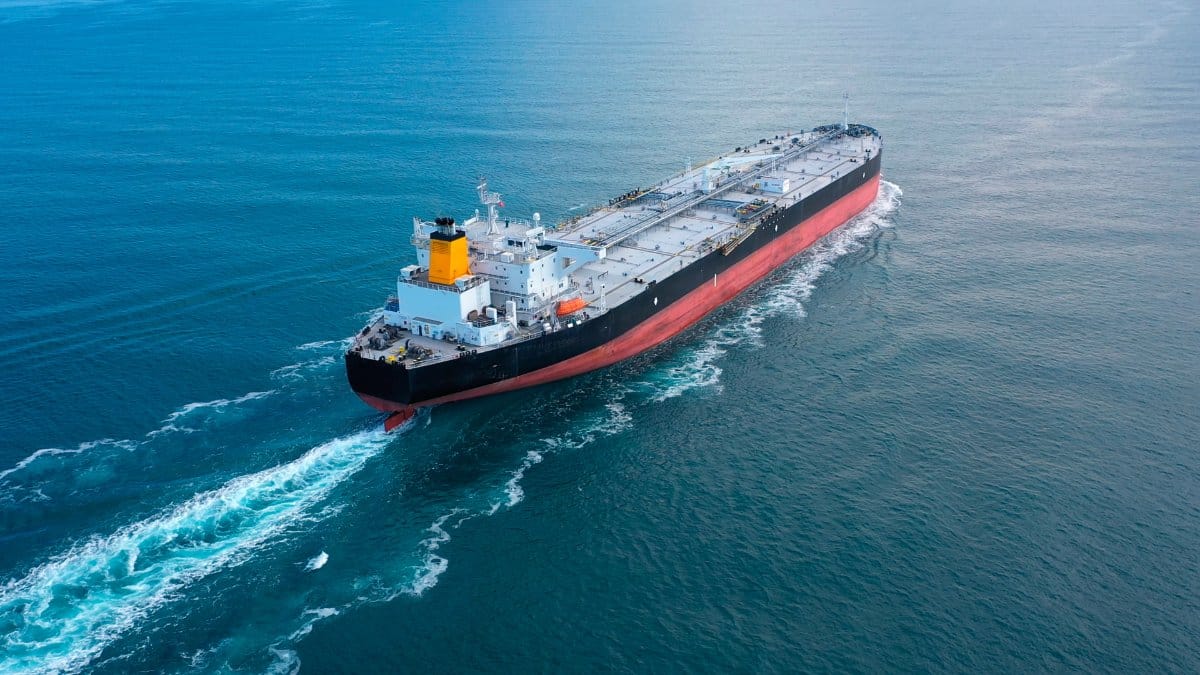 On Friday, November 13, a 525 foot long asphalt carrying tanker ship, the M/V Atlantic Asphalt, weighing 14,485 tons slammed into a much smaller river boat passenger vessel. The passenger vessel, the American Heritage, was only 295 feet long and weighed in at only 2,700 to 3,800 gross tones. The tanker weighed almost 5 times what the river boat weighed.
The tanker slammed broadside in the middle of midships of the passenger ship. Within minutes of the collision, the passenger ship capsized, that is, rolled over onto its side, and then sank. Most if not all of the passengers were onboard.
The tanker was northbound on the Mississippi River. At New Orleans, the tanker took a hard turn to starboard (right). Apparently, the tanker suffered some loss of steering control. The NTSB is investigating the cause of the crash.
All 190 people aboard were rescued. Thirty-two people, including two police officers involved in the rescue, were taken to hospitals.
The American Heritage, a paddlewheeler operated by Connecticut-based American Cruise Lines, had docked about two hours earlier. Around 12:28 p.m., the tanker Atlantic Asphalt struck it.
The Registered owner of the M/V Atlantic Asphalt is NAVE SHIPPING SA. Current maritime-vessel data identifies Nave Shipping as both the registered owner and commercial manager of the ATLANTIC ASPHALT. The ISM / technical manager is Thome Ship Management PTE LTD, the Singapore-based ship-management company responsible for the vessel’s ISM/safety management.
What investigators say so far
The National Transportation Safety Board (NTSB) hasn’t determined a cause. Its preliminary findings, however, point to a mechanical problem on the tanker.
On Sunday, investigators said the Atlantic Asphalt suffered a steering failure that left its rudder stuck to starboard. The collision came roughly two minutes later. They don’t yet know what caused the steering problem, and they say it could be many things.
The Port of New Orleans has also filed suit against the tanker’s owner and operator, seeking at least $1 million in damages.
Why a steering failure raises questions
A steering failure is a starting point for the investigation. It doesn’t answer who was at fault.
Was the steering system properly maintained and tested? Were there earlier warning signs or repair issues? Was the crew trained to handle a failure like this in a crowded stretch of river? Did the vessel have enough time, room and equipment to avoid the collision once the problem began?
Investigators will look at all of that. Some of the answers may sit in the tanker’s voyage data recorder, maintenance records and crew interviews.
Depending on what investigators find, responsibility could involve the companies that own, operate or manage the tanker, the people responsible for maintaining its steering system, or the makers of the equipment that failed. Each possibility leads to a different set of questions, and a different set of records that someone will need to obtain.
What passengers may be facing now
Some injuries are obvious. Others may not be. People who ended up in the water, or who were on a capsizing vessel, can suffer lasting physical injuries as well as serious emotional trauma. Those effects are real, and they often take the longest to show up.
If you were aboard, a few simple steps can help protect your rights:
- See a doctor, even if you feel fine. Some symptoms, including pain and emotional distress, can surface days later.
- Keep your records. Save your ticket, booking confirmation, medical bills, photos and any messages from the cruise line.
- Be careful with statements. Talk to an attorney before giving a recorded statement to an insurer or anyone representing a company.
- Keep notes. Write down what you remember, and collect contact information for other passengers who saw what happened.
Every case is different, and time matters. Evidence on ships and in electronic data can be lost or overwritten, so it’s important to preserve it early.
Legal hurdles that may catch passengers off guard
Three legal issues can shape what you’re able to recover.
- Ticket contracts. Cruise tickets often contain short deadlines for giving notice of a claim and filing suit, along with clauses about where a case must be brought.
- Liability caps. Under the Limitation of Liability Act, a vessel owner can ask a federal court to cap what it owes at the value of the vessel plus pending freight, subject to statutory requirements. That can change how a case plays out.
- Multiple parties. Responsibility may extend beyond one company, depending on what the investigation shows.
Hickey Law Firm represents injured cruise passengers
At Hickey Law Firm, we’ve represented injured cruise passengers and crew members for decades. Our founder, maritime attorney John H. (Jack) Hickey, once represented cruise lines, so he knows how these companies investigate claims and defend themselves.
If you or someone you love was aboard the American Heritage, or was hurt in another cruise ship or maritime accident, you may have legal options. Contact Hickey Law Firm today for a free consultation.

Attorney John H. (Jack) Hickey and his team handle a wide range of cases, including but not limited to cruise ship accidents, admiralty and maritime accident cases, medical malpractice, wrongful death, premises liability, railroad accidents and car accidents. We represent victims from all over the nation, the world and the state of Florida.
Read more about how Jack Hickey can help you.