

Carbon Monoxide Injury Lawyers in Miami, FL
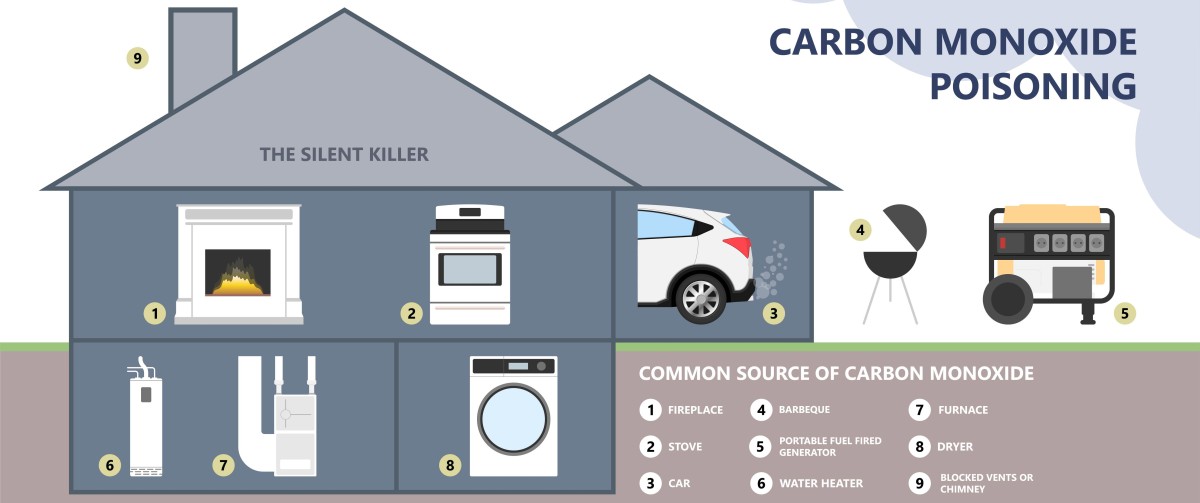
Common places carbon monoxide leaks happen in homes and apartments
At Hickey Law Firm, we’ve seen firsthand the devastating impact that hidden dangers can have on families. While hurricanes and other natural disasters often grab headlines, there’s another serious threat that lurks silently, often undetected, until it’s too late: carbon monoxide (CO) poisoning. Understanding the risks is the first step towards prevention. Today we want to shed light on where carbon monoxide leaks most commonly happen in homes and apartments, helping you protect yourself and your loved ones from this invisible killer.
What is carbon monoxide?
Carbon monoxide is often called the "invisible killer" for a very good reason. It's a gas that you can't see, smell, or taste. It's produced when fuels, like gasoline, wood, propane, charcoal, or natural gas, don't burn completely. When you breathe in CO, it replaces the oxygen in your blood, which can quickly lead to serious illness, permanent brain damage, or even death. Because it's so hard to detect without proper equipment, awareness is your most powerful tool.
People rely on a variety of fuel-burning appliances for everyday comfort and in emergencies, knowing the sources of CO is vital. Let's break down the typical places where these dangerous leaks can start.
Where do CO leaks often originate?
Carbon monoxide can come from any appliance or device that burns fuel. However, some sources are more common culprits than others.
Water heaters
Most homes and apartments have water heaters, many of them powered by natural gas. These appliances are constantly in use, heating water for showers, laundry, and dishes. If a gas water heater isn’t properly installed, maintained, or ventilated, it can become a significant source of carbon monoxide. Issues like a cracked heat exchanger, a blocked flue pipe, or faulty burner can lead to CO spilling into your living space instead of being safely vented out. With the constant use of water heaters, any problem here can be a silent and continuous threat.
Furnaces
Many homes and apartments rely on gas furnaces or heating systems. Like water heaters, a furnace with a cracked heat exchanger, a blocked chimney, or a faulty burner can release carbon monoxide. If your furnace is older or hasn’t had an annual checkup, it’s at a higher risk. Even though we may only use heat for a few times a year, when it’s on, it needs to be safe.
Kitchen
Your kitchen can also be a source of CO if you have a gas stove or oven. While cooking, small amounts of CO are typically produced but dissipate quickly with good ventilation. However, if the burners or oven are faulty, not properly adjusted, or if the kitchen isn’t well-ventilated, carbon monoxide can build up. Never use your gas oven to heat your home, as this is incredibly dangerous and can lead to rapid CO accumulation. Also, make sure the flame on your gas range is blue. A yellow or orange flame can indicate improper combustion and CO production.
Laundry room
Many laundry rooms, especially those in apartment complexes or single-family homes, feature gas clothes dryers. Like other gas-burning appliances, these dryers need to be properly vented to the outside. If the dryer’s vent hose becomes kinked, blocked with lint, or disconnected, the exhaust gases, including CO, can back up into your home. Regular lint trap cleaning and checking the exhaust vent are important for preventing this kind of leak.
Generators
This is an important point. During power outages many rely on portable generators. Generators produce very high levels of carbon monoxide, and should never, under any circumstances, be used indoors, in a garage, in a carport, or too close to a window or door. Unfortunately, we’ve seen too many tragic cases where families have suffered from CO poisoning because a generator was placed too close to the home, or even inside, due to a lack of awareness or desperation during a storm. Exhaust can quickly seep into living spaces, with deadly consequences.
Vehicles in garages
If your home or apartment has an attached garage, even briefly running your car inside with the garage door closed can create dangerous levels of carbon monoxide. The exhaust from vehicles contains CO, and it can easily move from the garage into the connected living area, especially if there are cracks in the wall or an unsealed door. Always ensure garage doors are left open and vehicles are not running in attached garages.
Grills
It may seem obvious, but we have to emphasize – never use charcoal or gas grills indoors. These are designed for outdoor use only. Burning charcoal produces incredibly high levels of carbon monoxide, and even a gas grill used in a screened-in porch or under an overhang without proper ventilation can be dangerous. The CO can accumulate quickly and drift into nearby living spaces.
What factors increase the risk of CO?
While the sources of carbon monoxide might be universal, certain conditions can amplify the risk of leaks and make them harder to manage.
- Moisture can accelerate corrosion in furnace heat exchangers, water heater components, and dryer vents. Over time, this corrosion can lead to cracks, holes, or blockages that allow CO to escape. Regular professional inspections are critically important here to detect and address these issues before they become dangerous.
- Older buildings might have aging heating and ventilation systems, outdated appliance hookups, or deteriorating chimneys and flues. These systems may not meet current safety standards, or they might simply just be worn out from years of use, increasing the likelihood of malfunctions and carbon monoxide leaks.
- Whether it’s a landlord neglecting routine inspections in an apartment building or a homeowner postponing maintenance on their own property, a lack of regular upkeep is a major contributor to CO leaks. Appliances need to be professionally checked each year to ensure they’re burning fuel efficiently and venting properly. Moreover, improper installation by inexperienced or unlicensed individuals can create immediate hazards. It’s important to ensure that any work on fuel-burning appliances is done by certified professionals.
What are the warning signs of carbon monoxide poisoning?
Because carbon monoxide is so stealthy, it’s important to know the signs and symptoms of CO poisoning. Carbon monoxide poisoning often mimics the flu, leading many people to dangerously delay seeking help. Common symptoms include:
- A headache, often described as a dull ache.
- Feeling lightheaded or sick to your stomach.
- Feeling unusually tired or weak.
- Difficulty breathing.
- Feeling muddled or having trouble thinking clearly.
- Blurry vision.
- Discomfort in the chest.
If multiple people in a household experience these symptoms at the same time, or if symptoms improve when you leave the building but return when you re-enter, carbon monoxide poisoning should be a strong suspicion. Pets can also show symptoms before humans do.
Beyond physical symptoms, look for signs from your appliances:
- Soot or yellowish/brown stains around the appliance or vent.
- A pilot light that frequently goes out.
- A yellow or orange flame where it should be blue.
Lack of an upward draft in the chimney or flue.
Potential long-term consequences of CO poisoning
While people might begin to feel better and believe they are out of the woods, carbon monoxide poisoning doesn’t always end when the initial symptoms fade. Unfortunately, survivors may appear to recover, only to face serious neurological problems weeks later. As one report explains:
“Delayed posthypoxic leukoencephalopathy, as a result of carbon monoxide poisoning, is characterized by initial hypoxic insult with a subsequent return to baseline or near baseline later followed by severe neurological deterioration or new neurological or psychiatric symptoms. The chronic stage includes progressive neurological decline.”
This is a rare but dangerous condition that highlights why CO exposure should never be ignored and why immediate medical care is so important.
The role of premises liability in CO poisoning
Carbon monoxide leaks are often preventable. When they occur due to negligence on the part of a property owner, landlord, or maintenance company, it can become a premises liability issue. Property owners have a legal responsibility to ensure their premises are safe for residents and visitors. This includes maintaining fuel-burning appliances, ensuring proper ventilation, and, in many cases, installing working CO detectors.
At Hickey Law Firm, we understand the complexities of premises liability cases, especially when it comes to the devastating impact of carbon monoxide poisoning. If you or a loved one has suffered from CO exposure in a home or apartment due to someone else's negligence – whether it's a landlord failing to maintain appliances, a property manager neglecting safety checks, or a contractor performing faulty installation – you may have a right to compensation.
We can help you investigate the cause of the leak, determine who is responsible, and fight for the compensation you deserve for medical bills, lost wages, pain and suffering, and other damages. Our experienced team will stand by your side, guiding you through the legal process and advocating fiercely on your behalf.
If you suspect a CO leak or have been affected by one, prioritize your health and safety first. And if you believe negligence played a role in your exposure, remember that Hickey Law Firm is here to provide the legal guidance and support you need. Don't hesitate to reach out to us for a confidential consultation. We're here to help you navigate these challenging times and hold the responsible parties accountable. Contact Hickey Law Firm today for a free consultation, and let us fight for your rights.